
Learning Through Matching
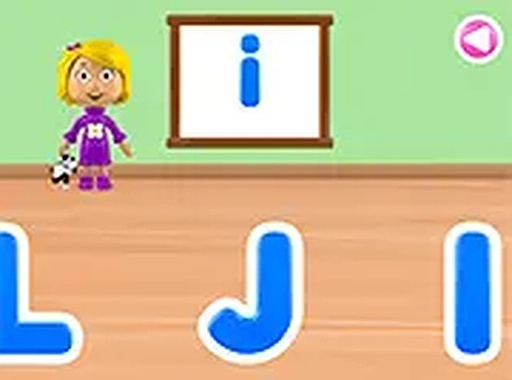
At the heart of this activity lies a straightforward concept: children see a single letter on screen and choose its matching partner from a set of options. This direct approach keeps the focus squarely on letter recognition without unnecessary complexity. The game presents letters in both uppercase and lowercase forms, helping children understand that each letter has two distinct but related shapes. By repeatedly pairing these forms, young players gradually internalize the relationship between capital and small letters, a foundational skill for reading and writing.
Gentle Encouragement System
Every correct match triggers a positive visual or sound cue, reinforcing the child's success without overstimulation. When an incorrect selection occurs, the game simply prompts the child to try again, avoiding any harsh penalties or negative feedback. This supportive design ensures that children remain motivated and willing to experiment, even when they make mistakes. The absence of timers or scores eliminates performance pressure, allowing each child to progress at their own comfortable pace.
Accessible Across Devices
Because the game runs entirely in a web browser, there is no need to download or install any software. This makes it easy to access from any device with an internet connection, whether at home, in a classroom, or while traveling. The interface uses large buttons and clear labels, accommodating small fingers and developing motor skills. Touch and click controls work seamlessly on both desktop computers and tablets, providing a consistent experience regardless of the platform.
Designed for Young Learners
The visual style employs friendly colors and simple, well-defined letter shapes to minimize confusion. Each screen is intentionally uncluttered, helping children concentrate on the matching task at hand. The game is suitable for children who are just beginning to explore written language, typically those in preschool or kindergarten. It can be played independently or with guidance from a parent or teacher, making it a flexible tool for both home and school settings.
Building Confidence Through Repetition
Regular short sessions with this activity can help children become more familiar with the alphabet. The self-directed nature of the game means that children can repeat letters they find challenging without feeling rushed. This repeated exposure, combined with the positive feedback loop, builds confidence and reinforces learning. Parents and educators can use the game as a supplement to other letter-learning activities, such as reading alphabet books or singing the alphabet song, to create a well-rounded early literacy experience.



Comments
0 comments