
Two Ways to Play
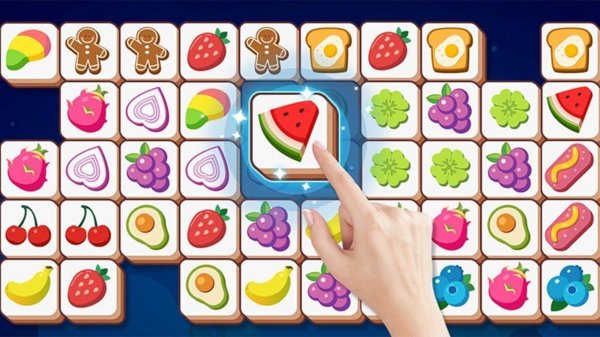
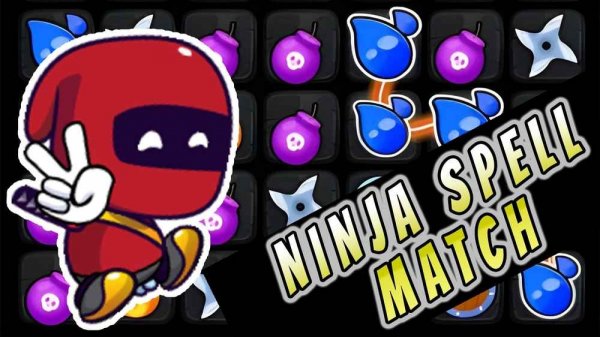
This game presents two distinct methods for clearing tiles from the board. In the first approach, players select two matching tiles that are free on the surface and connect them with a path that bends no more than twice. This mechanic draws from traditional solitaire-style puzzles. The second method works like a standard alignment puzzle: find three or more identical tiles in a straight line, horizontally or vertically, and they vanish. Each level may emphasize one style or blend both, keeping the experience fresh.
Board Layout and Strategy
Every stage introduces a new arrangement of tiles, often stacked in layers or placed in patterns that require careful observation. The challenge lies in identifying which matches are possible and in what order to clear them. Removing tiles from the center first tends to open up more connections, while clearing edges can sometimes limit options. Players must scan the entire board before committing to a move, as a hasty choice might block future matches.
Progression and Difficulty
As players advance, the puzzles become more complex. Later levels may include more tiles, tighter layouts, or a mix of both matching styles that demands greater foresight. The game does not rely on a timer, allowing users to think through each step at their own pace. This gradual increase in difficulty ensures that newcomers can learn the basics while experienced players remain engaged.
Accessibility and Design
Being browser-based, the game loads instantly on most devices without any installation. The interface uses simple point-and-click controls, making it approachable for younger players and those less familiar with complex games. Visual cues clearly indicate which tiles are free to select, reducing confusion. The clean design focuses attention on the puzzle itself, without distracting animations or loud sounds.











Comments
0 comments