
Core Puzzle Logic
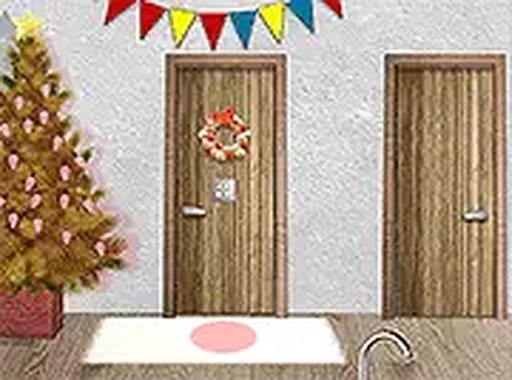
At its heart, this game asks players to carefully scan each room for items that are partially concealed or placed in unexpected spots. A small key might rest behind a garland, or a tool could be tucked inside an open drawer. Once collected, these objects are stored in an inventory bar at the bottom of the screen. Using them is straightforward: select the item and then click on the area where it logically fits, such as using a found ornament to decorate a bare tree. The puzzles follow a clear cause-and-effect pattern, making them accessible even for those new to the genre.
Room-by-Room Exploration
The experience is structured around several distinct indoor spaces, each with its own color scheme and set of decorations. One room might focus on a large fireplace with stockings, while another centers on a dining table set for a festive meal. Progress is linear: solving the puzzles in one area unlocks the door to the next. This design encourages thoroughness, as a missed item in an earlier room may be required later. The absence of a timer means players can return to previous rooms at any point without penalty.
Visual Atmosphere and Audio Cues
The art style leans toward soft, illustrated backgrounds with warm lighting and gentle animations, such as flickering candles or falling snow seen through windows. While the game does not rely heavily on sound, subtle audio cues like a soft chime indicate when an item has been correctly placed. These small feedback signals help guide the player without breaking the calm, contemplative mood. The overall presentation aims to evoke the comfort of a quiet holiday evening indoors.
Pacing and Difficulty Curve
The challenge increases gradually as the game progresses. Early rooms contain only a few obvious items, allowing players to build confidence with the basic interaction model. Later spaces introduce multi-step puzzles where two items must be combined, or where a clue from one room hints at a solution in another. This ramp-up keeps the activity engaging without becoming frustrating. Players who prefer a relaxed pace can take as long as they like to examine each scene.
Family-Friendly Design Principles
Every element of the game is crafted to be appropriate for a broad audience. There are no scary scenes, timed challenges, or complex instructions. The content focuses on observation and logical deduction rather than speed or reflexes. This makes it a suitable choice for parents playing alongside young children, or for older adults looking for a low-pressure mental exercise. The holiday theme adds a layer of familiarity that helps new players feel immediately comfortable with the setting.




Comments
0 comments