
Core Matching Logic
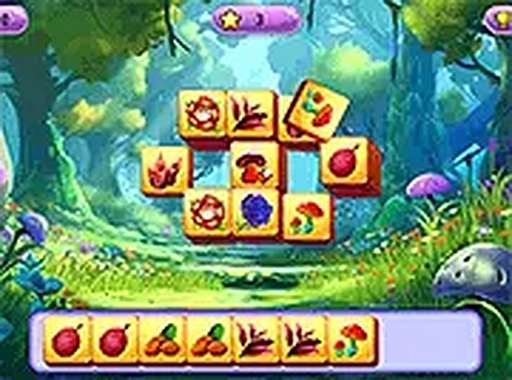
Players see a grid filled with tiles showing flowers, leaves, and small insects. The goal is to clear every tile by selecting three that are identical. Each chosen tile goes into a holding area that can store up to nine items. When three of the same kind are collected, they vanish from the board. This simple rule creates a satisfying loop of observation and planning.
Strategic Stack Management
The limited stack space adds a layer of careful thinking. If the stack fills with unmatched tiles, the game ends. This forces players to think ahead about which tiles to pick and which to leave for later matches. The board layout changes with each level, offering new arrangements that require fresh approaches. A shuffle button can rearrange remaining tiles when no obvious matches remain, but using it too often may reduce the challenge.
Visual Theme and Atmosphere
The artwork uses bright, cheerful colors inspired by a garden in bloom. Each tile is clearly drawn so players can quickly identify matching pairs. The background features soft green tones and subtle floral patterns that create a calm mood. There are no flashing effects or loud sounds, making the experience suitable for quiet play sessions. The design stays consistent across all levels, reinforcing the seasonal theme.
Progression and Difficulty Curve
Early boards are small and simple, helping new players learn the mechanics. Later stages introduce larger grids and more tile variety, which increases the need for strategic stack management. The difficulty rises gradually, so players can build their skills without frustration. Completing a board unlocks the next one, providing a clear sense of advancement. The game does not use a scoring system or time limits, so the only goal is to clear each board at your own pace.





Comments
0 comments